App sale: Day One is 99 cents till Dec. 26

One of my favorite and most used apps, Day One, is on sale now through December 26 for only 99 cents. It’s normal price is $4.99.

If you’ve been holding out because you think five bucks is too much to spend on any app, here’s your chance. But, really, an app that brings value to your life is easily worth a few bucks, especially considering the silly things we all waste money on that bring no value in return.

Day One, of course, is a journal app, and it’s lovely. It reduced the friction that kept me from ever sticking to a journal habit and actually made it fun to chronicle my life. I treat it like my own private Twitter, that no one sees but me.

As I’ve been looking back over the year recently, Day One has provided a delightful way to remember what has happened and what has mattered most.

Day One is just one of many apps that are on sale right now. Here’s a great list of the great deals from MacStories. I also love Tweetbot, the best Twitter client, and SolarWalk, a gorgeous exploration of the solar system.

Less, but better

Screen Shot 2014-12-11 at 12.22.39 PM

“Less, but better” was the design philosophy of the iconic Dieter Rams, whose work has inspired some of our greatest creators, including, and especially, Apple.

Focus on the essential. Eliminate the inessential. In your work, in your relationships, in your life. Go for quality over quantity. (Of course, quantity can lead to quality.)

Emptiness has energy. Clutter sucks energy.

Simplify. Hone. Get rid of what doesn’t add value.

We are living in a time of sensory overload. Harmony lies beyond the overwhelming complexity and distraction of too much. Instead of trying to do it all and have it all, do less, better.

A great podcast: Dan Carlin’s Hardcore History

Podcasts have almost completely replaced the radio for occupying my driving time, and I often listen to podcasts on my daily walk. There are so many good podcasts to recommend – TED Radio Hour, Serial, The Tim Ferriss Show, Jeff Garlin’s By The Way.

But the most impressive and engrossing podcast I’ve encountered is Dan Carlin’s Hardcore History. Carlin goes deep and produces what are in essence audiobooks about each historical topic he takes on. But he delivers these amazingly well researched stories in a conversational tone that makes you feel like you’re sitting with a really interesting friend who knows everything about history AND who can tell a great tale.

His latest series on World War I is stunning for its detail and for its effectiveness in conveying the staggering tragedy of the first modern war. He doesn’t gloss over or minimize the stark, often shocking realities of what humans have done to each other throughout history, hence the name “Hardcore History”. His podcasts are not light entertainment. But they are remarkably good.

It’s easy to make a podcast now. You just need a microphone and a computer and you can talk your heart out and post it on iTunes. But what Carlin and the best podcasters create are works of art, carefully, painstakingly crafted with strong content and excellent production values.

Carlin goes deep into his subject, reading voluminously on the topic and laying out his narrative carefully before recording. What he delivers ends up sounding effortless. This level of commitment to quality content and production, though, makes a show like Hardcore History shine.

If you’ve got some time in the car ahead of you this holiday week, Hardcore History or any of the other podcasts I listed above are a great way to fill a few hours.

*My podcast app of choice, by the way, is Overcast for iOS.

John Gruber tells the Daring Fireball story

Daring Fireball is a daily must-read for me. And John Gruber has one of the most consistently distinctive and quote-worthy takes on Apple and all things tech. I’m a fan and have a couple of Daring Fireball t-shirts I wear proudly. (I’m normally a plain-t kind of guy, so it’s a big deal for me to sport someone’s logo.)

Gruber has a great story about how he made his blog into his full-time career, and he told it on the XOXO Festival stage recently:

If you think you’ve missed the boat, that it’s too late for you to get in on the possibilities created by the internet, you are wrong. It’s still early. We are just at the edge of the frontier. But don’t wait around thinking about it. Claim your stake online now. Buy that domain name. Get started on WordPress or Squarespace or Tumblr. Make something you’re proud to share with the world. And keep doing it. And keep getting better.

iPhone 6 first impressions

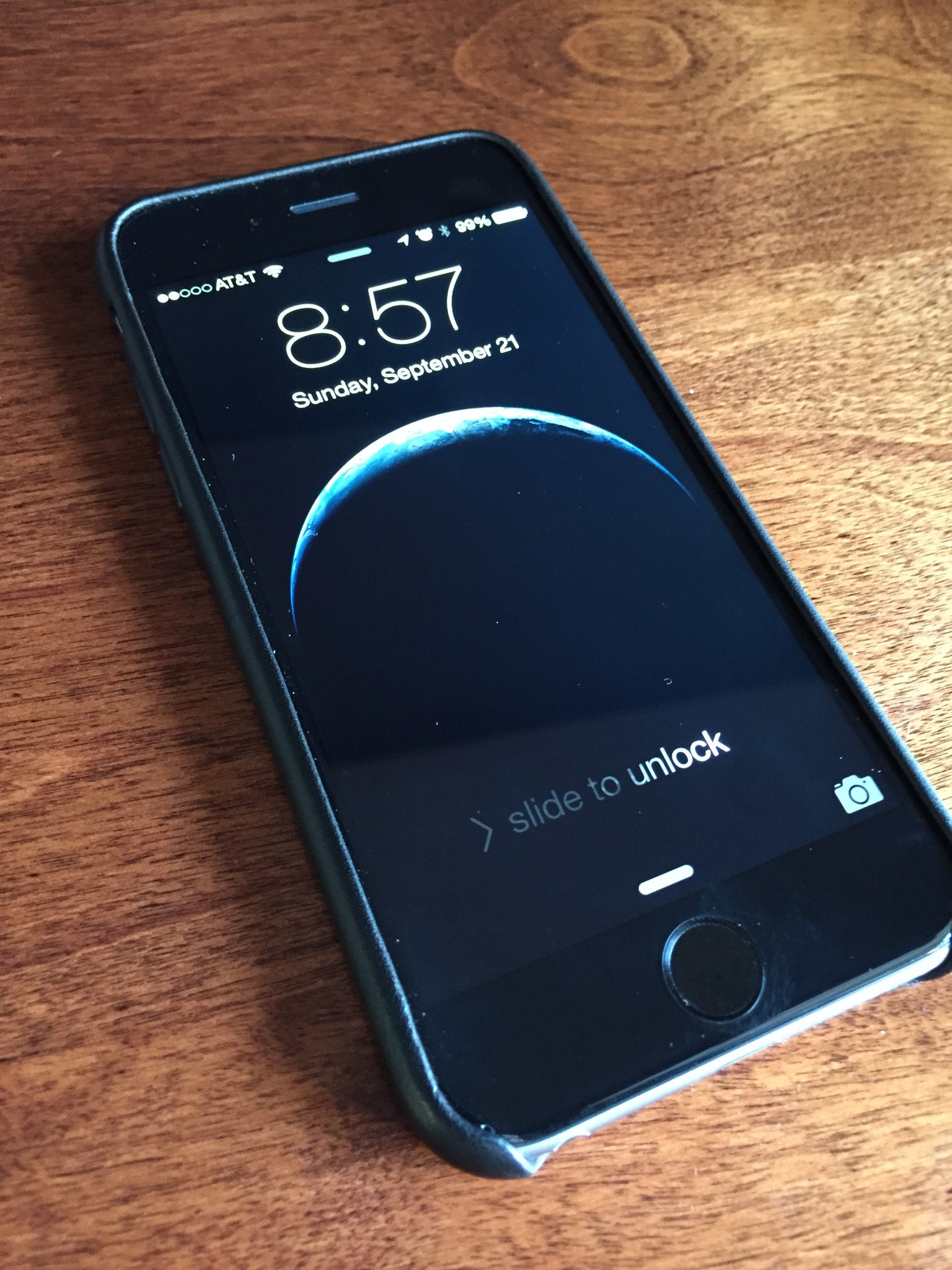
IMG_5542.JPG

I received the new iPhone 6 on Friday and have been impressed with this latest and greatest iteration of the iPhone. The hardware design and build quality are as solid as any device I’ve used. It’s a delight to hold this phone. I much prefer the rounded edges of the 6 to the sharp corners of the 4 and 5. And it’s incredibly thin without making it feel fragile.

I’m loving the new screen size. 4.7″ is not too big. And the display quality is phenomenal! I’ve been ignoring my iPad mini, preferring for now to read on this device instead.

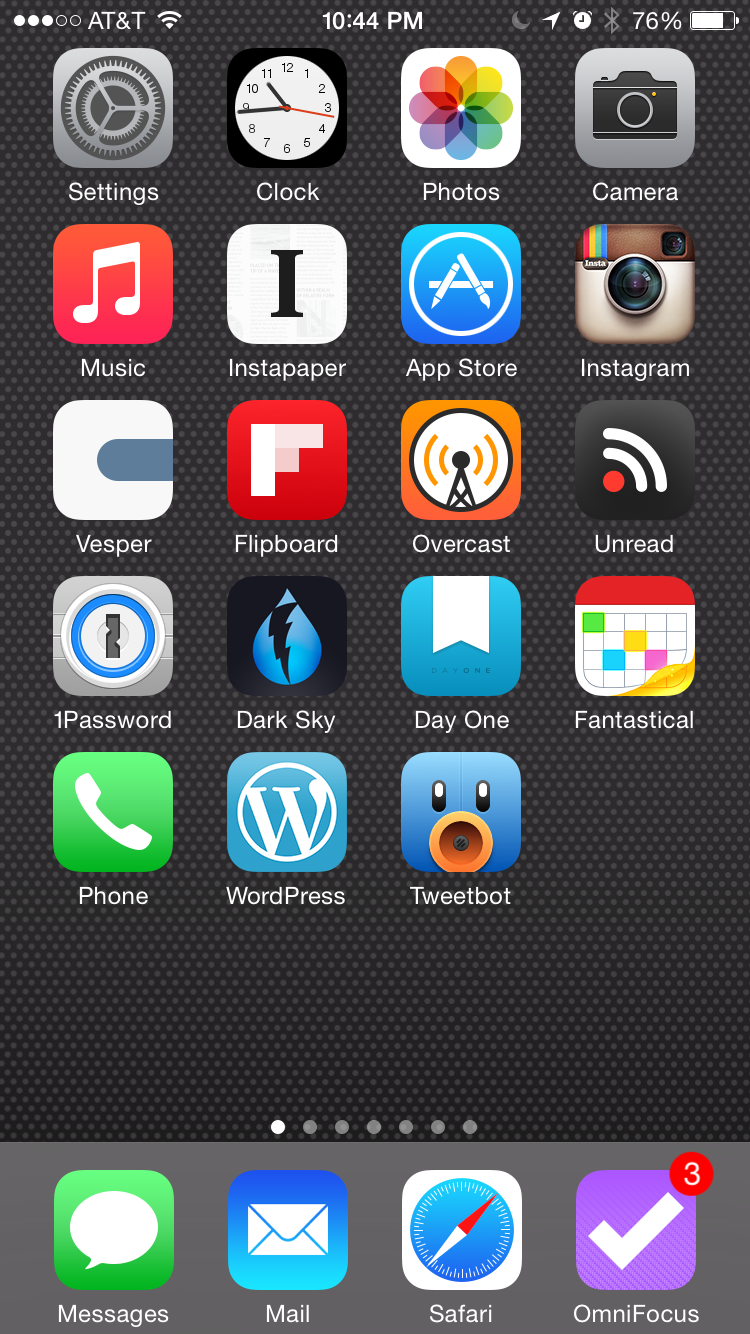
My old eyes are appreciating the new zoomed view option which shows less content, but it’s larger. Here’s my home screen:

IMG_5549.PNG

My wife prefers the standard view which shows more content a little smaller:

IMG_5550-0.PNG

This device is fast. Every task seems snappier. I haven’t experimented much with the camera yet, but it’s getting rave reviews.

I’m really liking Apple’s leather case. It’s sleek and adds very little heft but provides a good sense of grip. And it just feels nice. We will see how it holds up. I was anti case for my 3G and 4, but I’ve come to appreciate having a case just for improved grip.

IMG_5541.JPG

So far this new iPhone is exceeding my already high expectations. I composed this post on the phone instead of the iPad. I’m curious if the slightly larger and strikingly sharper display will continue to have me ignoring my non-retina iPad mini more often.

iPhone week and the fleeting allure of great gadgets

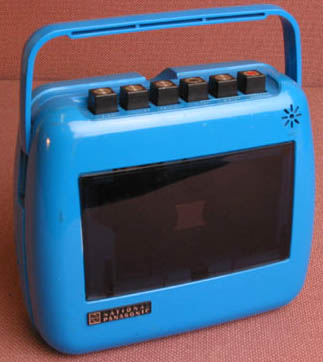
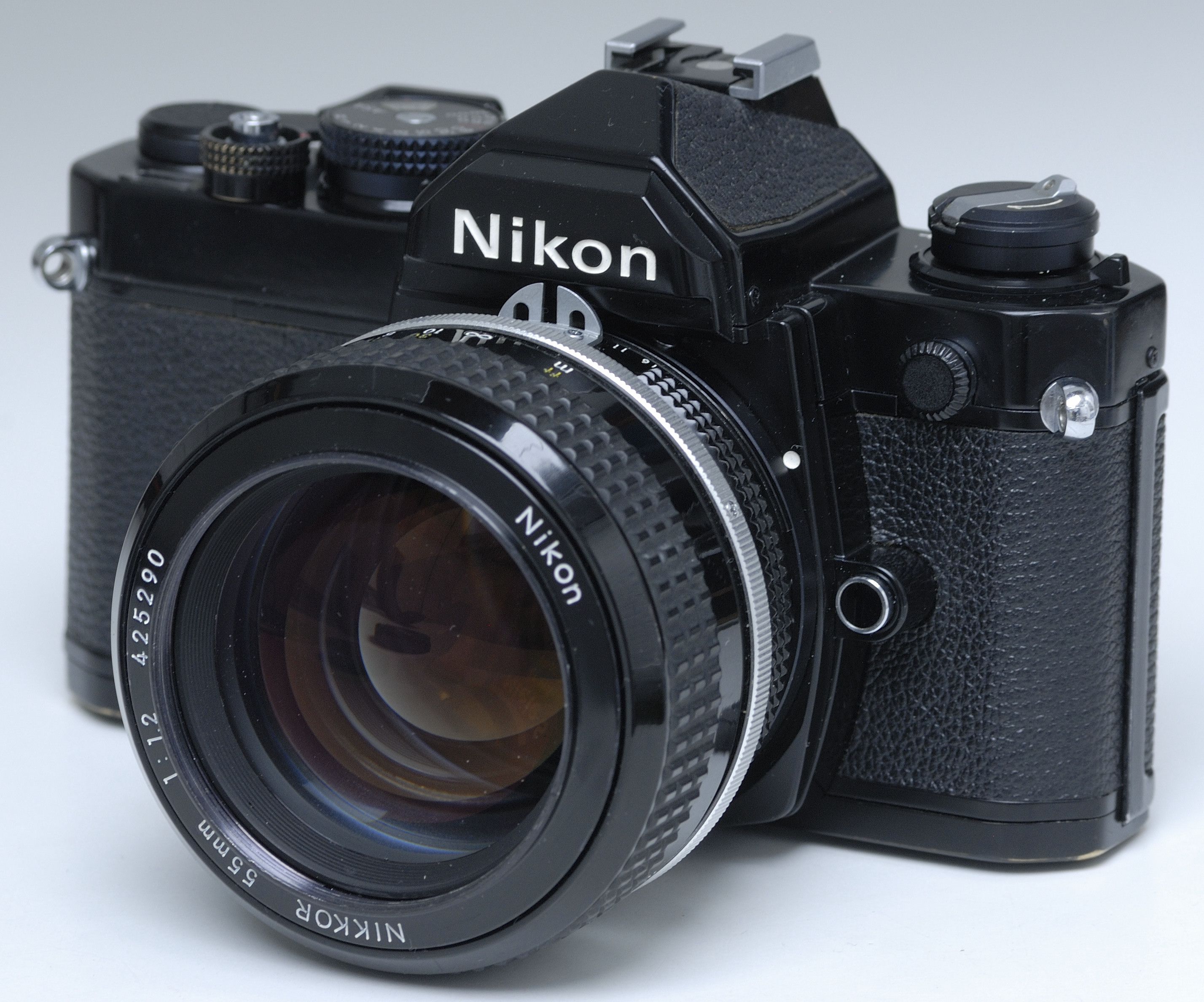
I’ve loved gadgets since I was a kid. There was my blue plastic cassette recorder I played with in the car on the way to Disney World. I remember recording McCartney’s Live and Let Die from the car radio. I also as a kid had a nifty solar-powered calculator and a classic record player and some excellent film cameras including a Polaroid and a Kodak “pocket camera”. I received a Nikon FM SLR for Christmas in 9th-grade and spent the rest of high school roaming the halls and sidelines as the yearbook photographer. I’ve got that camera packed away in a closet somewhere. And it still works great, but film seems ancient now.

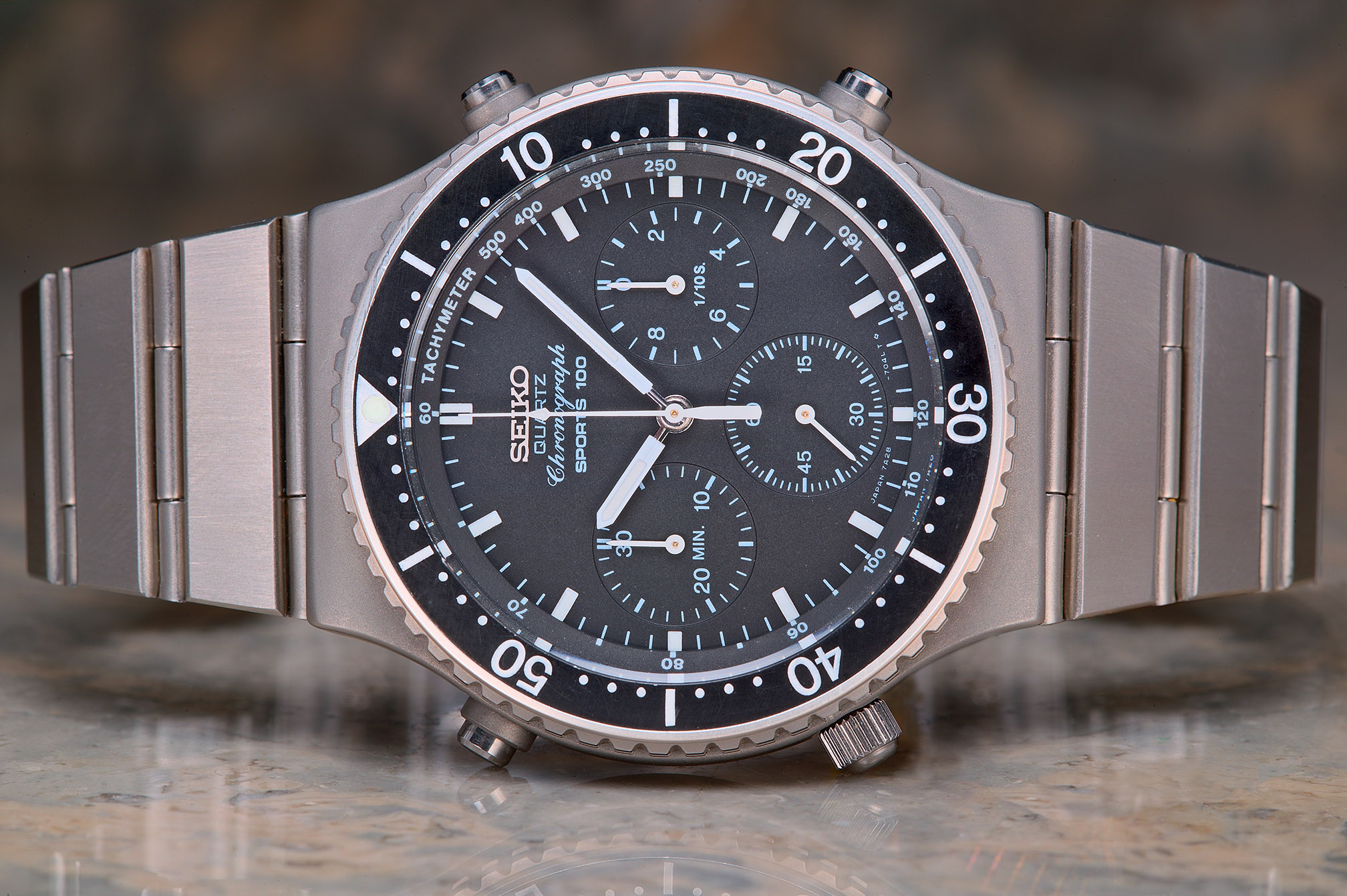
For high school graduation my parents gave me a gorgeous Seiko watch that I had first eyed in a full page magazine ad. That watch was with me throughout college. I lost it somehow a few years later when I was working in D.C. I last remember having it as I was taking my parents and grandmother on a White House tour. Later, after coming up empty with the lost-and-found desk at the White House, I couldn’t help but imagine President Reagan wearing it, proudly admiring my Seiko on his wrist, claiming finders keepers.

One of my favorite gadgets of the pre-iPhone era was the Palm V. It was a svelte little electronic organizer with lovely lines that just felt great to use. I went through a few different Palm devices until the iPhone appeared.

My first Apple device, though, was the distinctive iMac G4 with the white base and the screen on a movable arm. It’s such an appealing design we still keep it on a desk in our home even though it’s not been turned on in years. That Mac led us to the iPod (3rd generation) which eventually put us on the iPhone path.

I’ve been an iPhone user since 2008. I stood in line for hours during the opening week of the 3G release. Bless my sweet wife who waited patiently in the mall with our two young kids. She had no idea it would take so long or cost so much. I loved that phone. I was in awe of what it could do, especially compared to any other device I had ever owned. It did feel magical.

I’ve upgraded every couple of years since then. The iPhone 4 supplanted the 3G as my favorite device ever, and my iPhone 5 has been a solid improvement over the 4.

And now I’ve already preordered the iPhone 6. I went with the 4.7” screen with 64 GB of storage in “space gray”. The 6 Plus is way too big for my tastes. I’m even leery of the screen size of the smaller 6 and worried that it may be too unwieldy compared to the 5. My wife, especially, was fond of the size of the iPhone 5.

I think we’re both going to be fine with the new size, and we will probably wonder why we were even hesitant about it. I’m thrilled with the increase in storage, though. My wife’s 32 GB iPhone 5 stays full with photos and videos. My current phone only has 16 GB, not nearly enough. Fortunately, Dropbox and iCloud have enabled me to keep most of my stuff in the cloud and off my device until I need it.

I realize these devices are frivolous and inessential and have incredibly short reigns as our most cutting edge gadgets. And yet they’re amazing. My phone is one of the few things I have with me almost all the time. It’s in my pocket or on my desk or in my hand or on my nightstand while I sleep. It’s my window to the world and to the people I love. It’s my journal and calendar and to-do list and the first thing I reach for when a creative spark strikes. And it’s an amazing camera that’s helping me chronicle and remember my family’s big and small moments.

I’m not obsessed with my phone, and I don’t let it distract me from being present with the real live people I’m around every day. I keep it on mute and keep it out of sight when I’m in conversation.

I don’t have many material desires. But I do appreciate the grace of great things, and I do love having the most current computer technology. As brilliantly designed as these devices are, though, it’s stunning how fleeting their utility is. My old-school safety razor, for example, will be just as handsome and useful fifty years from now. My chef’s knife and cast iron skillet could be used someday by my future grandchildren. But the new iPhone that’s arriving at my door on Friday will be out of date a year from now when the next one is released.

I don’t mind, though. Such is the way of technology. The allure of having the best right now, especially for something that has such a prominent role in everyday routines, is worth it for me. This pocketable, best-in-its-class gadget regularly, consistently provides moments of delight and utility in a way that no other thing could. A mere thing, thoughtfully designed and well executed, can add genuine value and enhance the enjoyment of my days. I’m looking forward to seeing the UPS truck on Friday.

Slow down and do it right

Daring Fireball linked to this article by a former Apple design leader, Mark Kawano. Deadlines are a big deal inside Apple. They never publicize far in advance when they are releasing a product, but internally they are driven by deadlines.

BUT, if their product is not satisfactory by the deadline, they don’t just ship it anyway. They are not opposed to moving deadlines to better serve the creation of a product that meets their high standards.

Many tech start-ups especially seem to prefer the opposite approach. Just ship something and then iterate to make it better later. But as a customer or user, I don’t want a half-baked product. I don’t want to be a beta tester providing useful feedback for the next iteration.

Kawano refers to Facebook beginning to change their approach to product development:

Take Facebook, which recently killed its famous internal mantra: “Move fast and break things.”

Mark Zuckerberg, the CEO of Facebook, told a crowd of developers earlier this year that he had made a decision to kill the motto after learning that speed does not equal success. “What we realized over time is that it wasn’t helping us to move faster, because we had to slow down to fix these bugs and it wasn’t improving our speed,” Zuckerberg said.

Instead, Zuckerberg said, Facebook was going to slow down and do it right.

Having a due date will force action. Circle a date on the calendar you plan to have something done. Make an appointment with your team or friend or spouse to show them your creation on that date. Then, if it’s not good enough, set another deadline to perfect it.

Set a deadline. Take action. But slow down and do it right.

“Details matter. It’s worth waiting to get it right.”
-Steve Jobs


The best things

Steve Jobs once was asked which product he was most proud of. He said it was not the Mac or the iPhone, it was Apple, the company. He hoped to leave a legacy with the company and its culture that outlived him and any single product. So far, so good.

How did he plan to keep that going, even after he was gone? There’s an article in the New York Times about Apple’s secretive training program for employees that is designed to perpetuate Apple’s philosophy and culture and continue their run of success.

Culture is everything for an organization. A great company or non-profit or family, even, has to be intentional about connecting its people with what it considers its essential values and principles, and doing it continually and effectively. Don’t take anything for granted about what your people know about your whys and hows. Be relentless in telling the story of what made your organization what it is, but also in searching for opportunities to grow and rethink and shed what no longer resonates. Keep skating to where the puck is going, not where it is.

And consider this quote from Jobs in the article:

“Expose yourself to the best things that humans have done, and then try to bring those things into what you’re doing.” –Steve Jobs

That’s good advice for all of us. Seek out the best of what’s around (DMB reference for the win). Read the best writing and see the best movies. The classics are classics because their quality stands the test of time. Follow those at the top of your field. Be a connoisseur  of quality in the things you surround yourself with. Appreciate the grace of great things and use those things to bring out the best in you.

Keep it simple, make it clear

A story from Ken Segall’s book, Insanely Simple, about his experience as part of the advertising team working with Apple:

At one agency meeting with Steve Jobs, we were reviewing the content of a proposed iMac commercial when a debate arose about how much we should say in the commercial. The creative team was arguing that it would work best if the entire spot was devoted to describing the one key feature of this particular iMac. Steve, however, had it in his head that there were four or five really important things to say. It seemed to him that all of those copy points would fit comfortably in a thirty-second spot.
After debating the issue for a few minutes, it didn’t look like Steve was going to budge. That’s when a little voice started to make itself heard inside the head of Lee Clow, leader of the Chiat team. He decided this would be a good time to give Steve a live demonstration.
Lee tore five sheets of paper off of his notepad (yes, notepad—Lee was laptop-resistant at the time) and crumpled them into five balls. Once the crumpling was complete, he started his performance.
“Here, Steve, catch,” said Lee, as he tossed a single ball of paper across the table. Steve caught it, no problem, and tossed it back.
“That’s a good ad,” said Lee.
“Now catch this,” he said, as he threw all five paper balls in Steve’s direction. Steve didn’t catch a single one, and they bounced onto the table and floor.
“That’s a bad ad,” said Lee.
I hadn’t seen that one before, so I rather enjoyed it. And it was pretty convincing proof: The more things you ask people to focus on, the fewer they’ll remember. Lee’s argument was that if we want to give people a good reason to check out an iMac, we should pick the most compelling feature and present it in the most compelling way.

Keep it simple. I often struggle with a “kitchen sink” approach when I speak, wanting to throw in everything that might be useful. But what is most important and how can I make that stick? What do I need to cut so that I can give more attention to what matters most? Make it clear.

And consider how many people use Powerpoint and fill their slides with multiple points. Lots of points, no power. One point per slide is much more effective.

Kill the bullet points. Hone your idea to the essentials, and craft your message with simplicity and clarity.

Screen Shot 2014-07-29 at 11.24.36 AM


Great apps

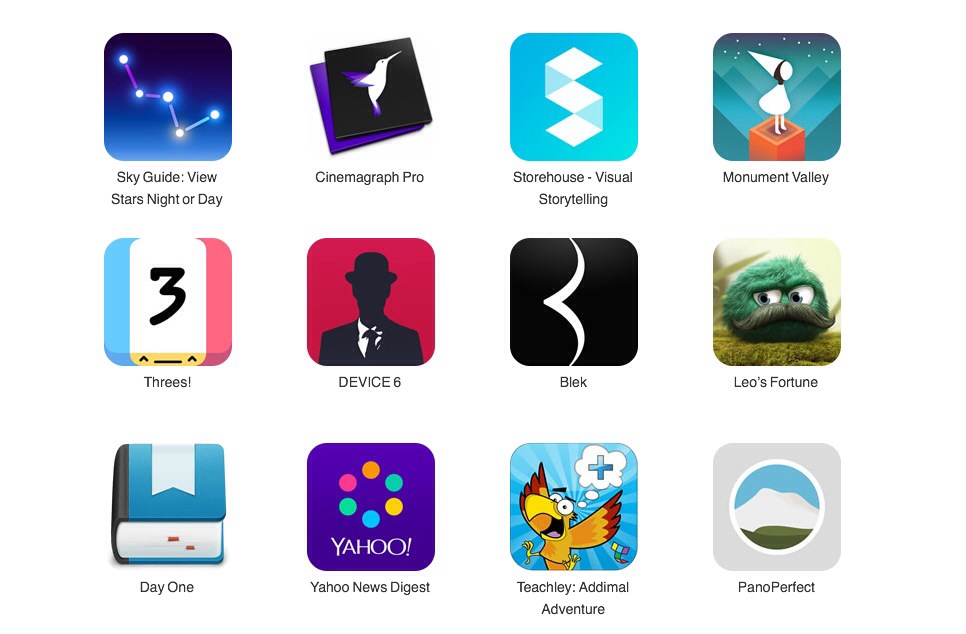
Speaking of great things, Apple recently announced their annual Apple Design Award winners. They honor developers and designers whose apps stood out from a very crowded field in the ever expanding Apple App Store.

20140613-090833-32913185.jpg

I was especially happy to see Day One win for its Mac app. It won previously for its great iOS app. Day One, the ultimate journal, is one of my most used apps. It’s beautiful and smart and has become a daily part of my attempt to chronicle and reflect on my life.

I use some of the other award winning apps, too. Sky Guide is magical. Just hold your device to the sky, and it shows you which stars or planets or constellations you’re seeing. (Or point your device at the ground and see the stars visible from the other side of the Earth!) At the beach this week we’ve used Sky Guide a few times to identify the planets appearing in the sunset sky.

Monument Valley is a beautiful, frustratingly challenging, and ultimately satisfyingly delightful iPad game. My 9-year-old went from near tears to fist-pumping triumph and back again trying to play her way through the many levels of puzzles. She’s playing it through again as I write this.

Threes is a fun and engrossing game with charming little details throughout.

There are a lot of poorly executed apps out there, apps that don’t delight. Too many developers are looking for a quick and easy buck, hoping to be the next Instagram or Angry Birds. I appreciate creators who disdain the “quick and easy” approach, and instead put in the effort to make beautifully designed and smartly executed apps that solve problems and add value to my life.

I’m amused by friends who flinch when I recommend an app that costs $3, or, heaven forbid, $5. (These same friends think nothing of dropping that much or more on a cup of coffee that’s gone in a few minutes.) I’m actually a bit leery of free apps. Is this free app going to target ads at me or set me up for in-app purchases or mine my information for some other service? I would rather pay directly to the makers of products I value and know I’m getting my money’s worth.

Go for quality in the things you possess, including the apps you use. Kudos to the makers who bring such wonderful tools to our devices.

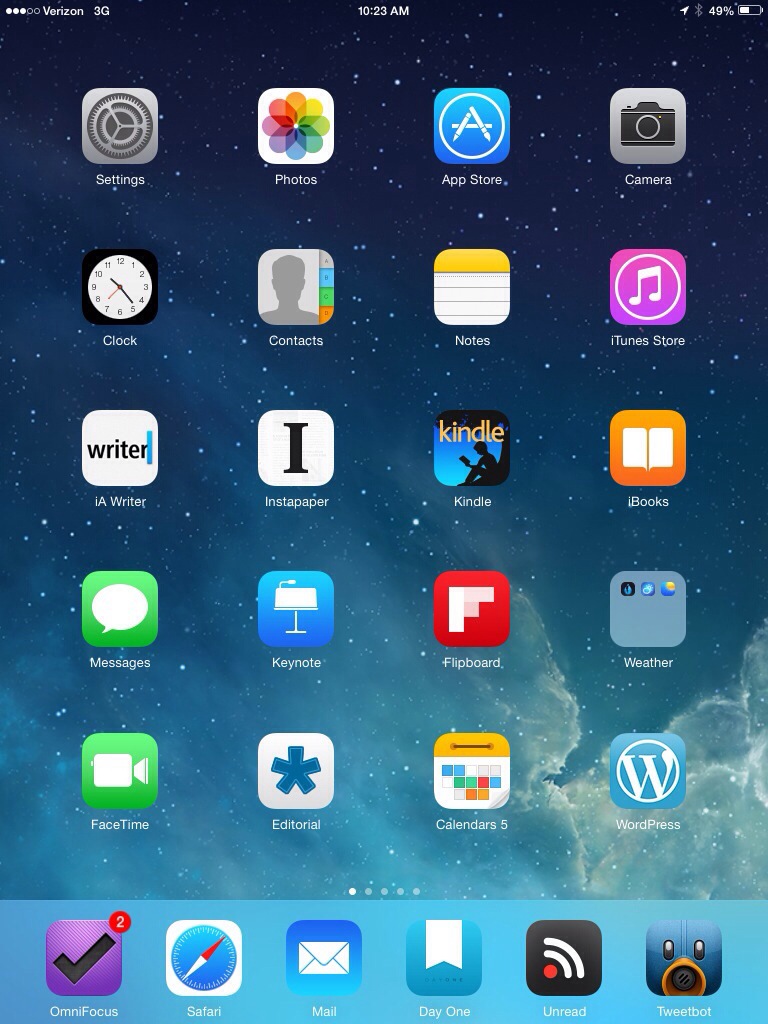
Here are my current iPhone and iPad home screens:

20140613-102600-37560566.jpg

20140613-102600-37560854.jpg