Ken Robinson: Creating a climate of possibility

Sir Ken Robinson has the most viewed TED Talk ever, and his latest talk on education is a must-watch as well:

Notice his presentation style. He uses no slides, no video. He stands in one place and holds the audience’s attention with his wry humor and short stories and wise insight. His humor charms the audience throughout. The man has terrific stage presence without seeming to try hard. He’s just chatting, in a rather low-key manner, as though he’s talking to a small group of friends. He seems authentic and approachable, and, therefore, very persuasive.

His message, though, is dynamic and powerful. We must do better at educating children. We must free teachers to connect with kids where they are. We must honor and nurture creativity. We must create an expectation and an environment where these young humans can come alive, each in their own way.

Robinson’s final story about Death Valley provides a terrific metaphor and a strong finish for his talk. Flowers blooming in Death Valley proves that it’s not dead, just dormant. So, too, our failing students, or rather students being failed by our education system, have life in them and need only a change in climate and conditions to blossom as well.

The real role of leadership is climate control, creating a climate of possibility. -Sir Ken Robinson

Any great organization, whether a school or business or family, is great primarily because of its culture, its climate. If you’re in charge of something, if you’re a leader or want to be, the most important task is to create and nurture a culture that informs and empowers the people you serve.

And culture revolves around the “why” questions. Ask “why” before worrying about the “how’s”. “Why are we here?” “What’s our purpose?” “Why do we what we do?” Compelling answers to these questions can build and sustain a culture and create possibilities previously unimagined.
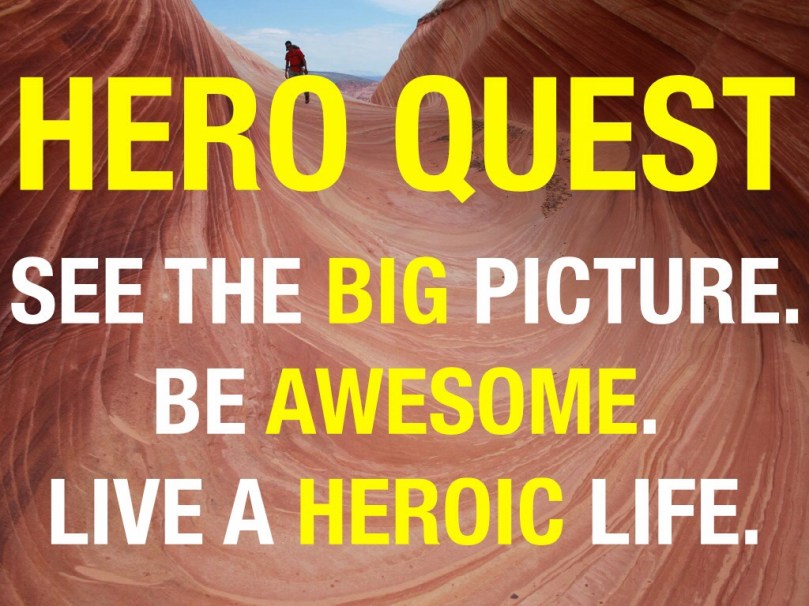
via PresentationZen.com

Showing my work: Utah

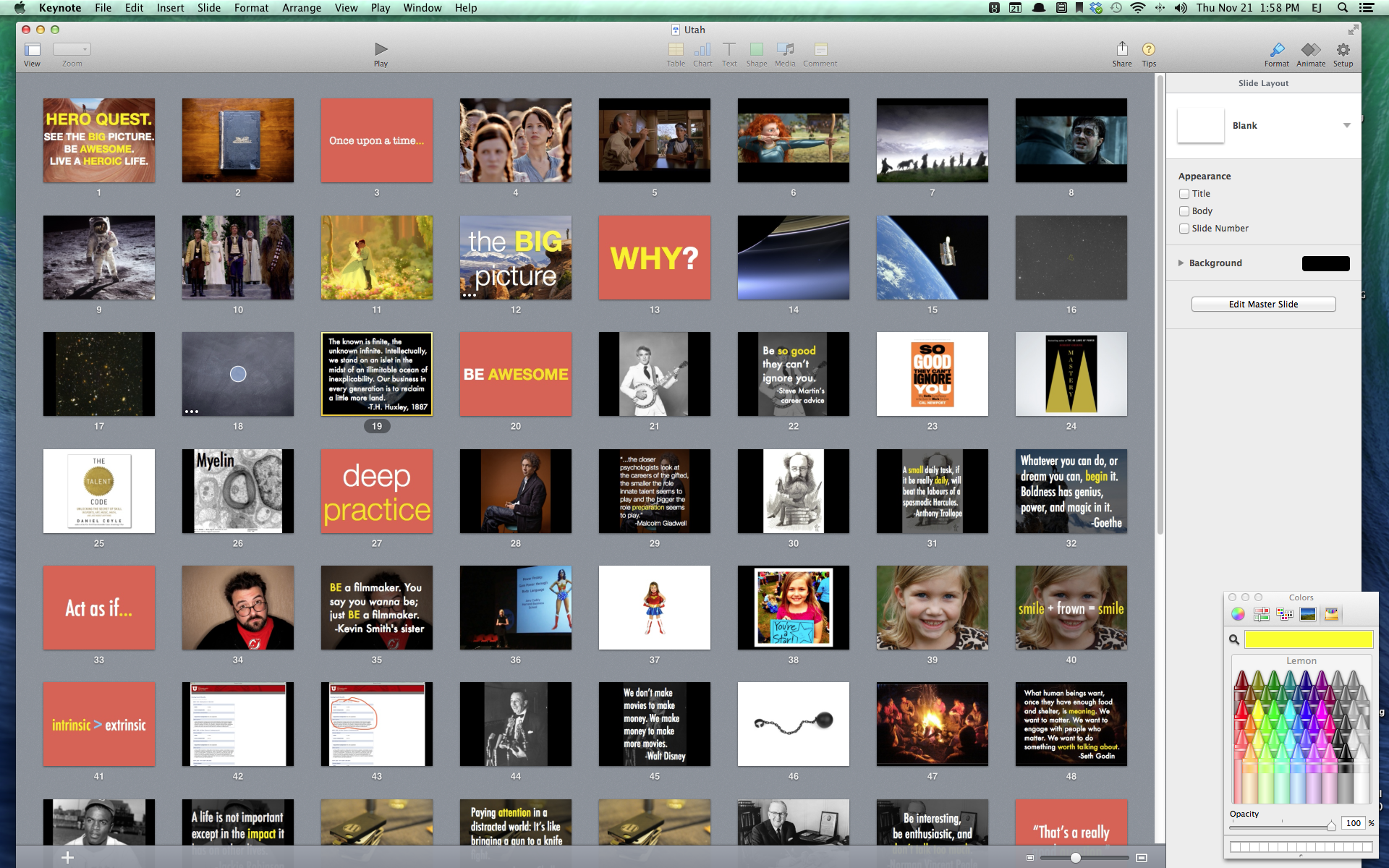
I’m finishing up work on a keynote presentation I’m giving at a student leadership conference in Utah on Saturday. As I’ve done previously, I’m showing my work in progress. Here’s a screenshot of my Keynote app in “Light Table” view, which I think is a magical mode for thinking through ideas and putting together a narrative arc:

Screen Shot 2013-11-21 at 1.58.43 PM

I’ve already discarded and rearranged significantly in the past few days. And with less than two days till my talk, I’m still not satisfied. I take a bit of a kitchen sink approach, throwing everything in, and then I try to pare back to what I hope is a core message for the audience and the occasion. I’m rehearsing today and tomorrow (standing in front of my computer giving the talk to an empty room), and I expect this arrangement of slides and ideas to look somewhat different by the time I get to Saturday. Talking out a presentation shines a light on problems and possibilities that would never appear otherwise.

I asked some of my students this week what college students ought to hear in a talk like this, and they kept mentioning points they’ve gotten from my talks that were connected to specific images on the screen. “Remember that picture of the band on your slide…” This reaffirms my delight in using slides in general, and powerful images especially. I go acoustic and speak without slides occasionally, but I keep coming back to using images for their impact on emotion and on recall.

I keep searching for a way to take these talks to another level, to string together a cohesive narrative rather than just listing interesting, related points. I want the whole talk to tell a story, not just tell a bunch of stories. The more stories, the better, of course. But stories and anecdotes and images should all serve to support the primary narrative. This quote from Kubrick continues to challenge me:

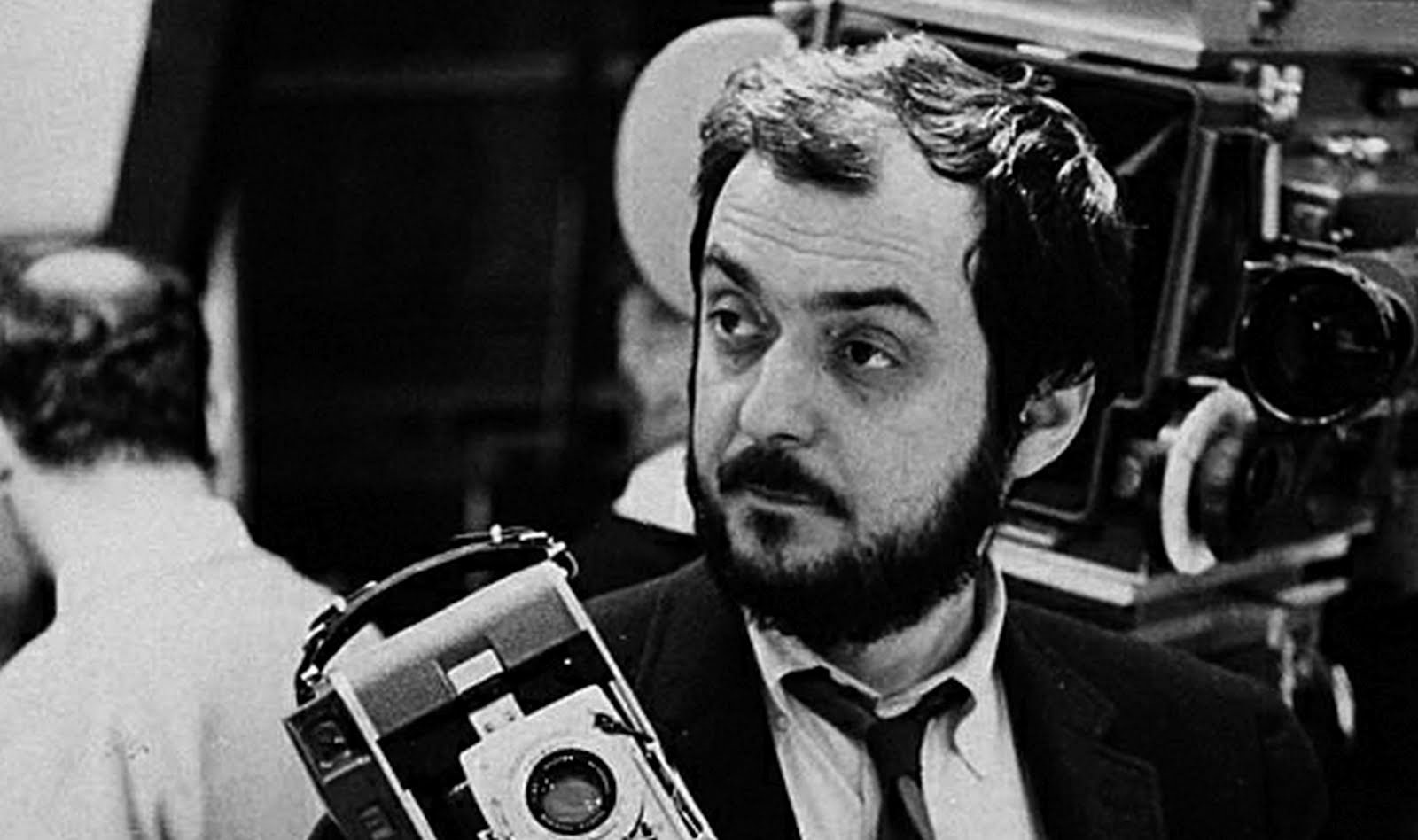
“If you really want to communicate something, even if it’s just an emotion or an attitude, let alone an idea, the least effective and least enjoyable way is directly. It only goes in about half an inch. But if you can get people to the point where they have to think a moment what it is you’re getting at, and then discover it … the thrill of discovery goes right through the heart.” -Stanley Kubrick

The “thrill of discovery”. That’s what I’ll be searching to build into this before standing before the students I’m privileged to address in Utah this weekend. If they’ve got to sit and listen to me for 45 minutes, I want to awaken possibility and give them something worth thinking about and talking about. Okay, back to work, back to the quest.

Hackschooling: 13-year-old explains how he’s remixing his education

This kid is so impressive as he tells his story about hacking his education:

What great poise and stage presence from someone so young. And I admire what he and his family are doing by choosing an unconventional approach to education. I know so little about alternatives to conventional schools, but seeing stories like this one makes me want to explore how best to educate my own kids rather than just defaulting to what almost everyone else does.

via Unschoolery

Stand and deliver then sit and rest

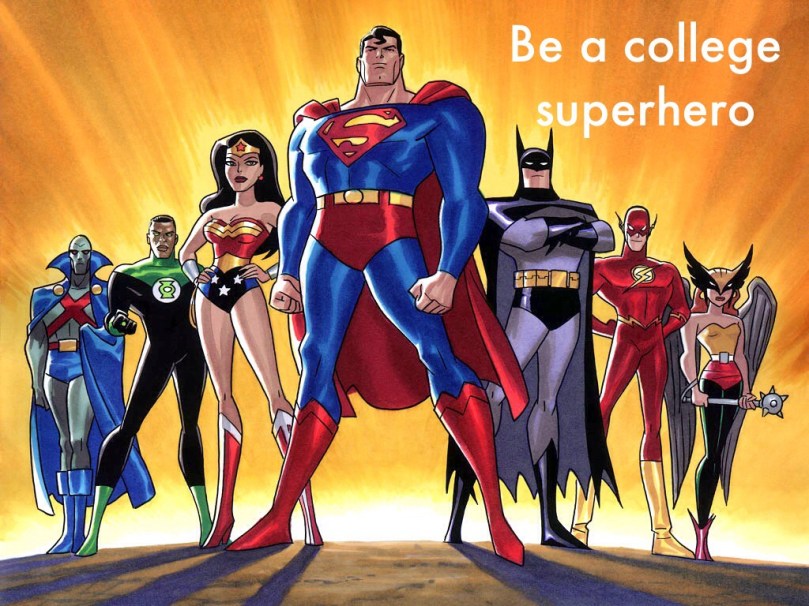
I spoke to a group of college students tonight. My message: “Be a college superhero”

It’s a version of a talk I’ve done several times to various student groups, sharing wisdom I’ve learned from the many amazing students I’ve known over my twenty-one years working in higher education.

Tonight’s audience was a delight, very attentive, engaged, and encouraging. They did their part to make the experience more of a dialogue than a monologue. And I was tired at the end of my 30 minutes.

If I’m not exhausted at the end of a presentation, I know I have not given enough energy to the audience. I read that Tom Peters, the prolific business speaker, said that if you don’t need to take a seat after a speech you have let the audience down.

An effective speech is the transfer of emotion from the speaker to the audience. When you stand before fellow human beings, raise your energy level and give them all you have. Otherwise, why even show up?

20130918-224502.jpg

Wildness

Two things on this TED Talk:

1. Our modern world could use some rewilding. We are so disconnected from nature and have done so much damage to the real world. But nature is resilient. And even if we can’t bring the Serengeti to our back yard, we can be more intentional about building some wildness into our lives.

2. What a great presentation style by this speaker. He goes without notes and slides and commands his time on the stage. He tells stories and is completely engaging. And he’s obviously passionate about his topic. He knows his stuff, and I’m guessing he prepared thoroughly for this moment because it looks almost effortless.

“In wildness is the preservation of the world.” -Henry David Thoreau

King’s dream and the magic of the moment

“Tell them about the dream, Martin!” That’s what the gospel singer Mahalia Jackson, sitting up front after having just sung a couple of songs, said to Martin Luther King, Jr. as he paused briefly in the midst of the most famous speech of the past century.

Dr. King had come to the Lincoln Memorial on this day fifty years ago with a carefully prepared speech. “I have a dream” was not in the speech that he had on the paper in front of him. He had used the dream metaphor in previous speeches and sermons that year. But he was allotted only five minutes on the program this day, so he was trying to keep it short.

But Ms. Jackson’s exhortation and the dynamic of the moment, the 100,000 people gathered at Mr. Lincoln’s feet in urgent, desperate anticipation, emboldened Dr. King to go off script in the best possible way.

He connected with that audience and that moment, and his words still connect today. But if he had stuck to the prepared remarks, we would not have this gift that came from that moment.

He wasn’t “winging it”. He was improvising, using ideas and words he had used before, but mixing them on the spot and drawing them from the creative well he had cultivated throughout his work.

King was not talking at the audience. He was with them. And he could create in the moment and work with what the audience was giving and what they needed.

Remarkable leaders, speakers, and performers respond to the moment and in the moment. We should be so well prepared, so immersed in our material, that we can improvise and surprise ourselves and make something amazing that will go far beyond what we have even dreamed.

20130828-222523.jpg

Flow

I’m creating a presentation for our student staff for our annual fall kickoff event this Saturday. It’s a half-day retreat/workshop to get our team reconnected with each other and to our mission as we begin a new school year. This is easily one of my favorite work days of the year.

We’ve got our agenda set, and now I just need to finalize my opening presentation. I’ve had ideas about this for a couple of months, and I’ve dumped slides into a Keynote document throughout the summer. But I’ve only just this week begun putting it together and sorting through the ideas. I discard, rearrange, tweak, and fine tune the ideas to get to some sort of narrative flow. I want to take the audience on a journey from “Why?” to “How?” and spark action.

I borrow ideas and slides from other talks I’ve done recently. Key themes seem to pop up in my life every year, and I stick with them even across different presentations and formats and audiences.

Below is a screen shot from Keynote showing my “light table” view. I live in this view when I’m working on a presentation. It’s such a great way to see everything at once and put some order to what otherwise would be a choppy, disconnected collection of ideas. Not everything on a slide is meant to be projected. At this point in the process, I use slides like note cards.

Screen Shot 2013-08-21 at 5.28.27 PM

I had been dragging my feet on this all week, but something clicked this afternoon when I plunged in and started working on it. I got into a flow and ideas and connections started clicking. That state, when time falls away and focus is sharp, is a delight. And it’s when my best work gets done.

Flow seems to follow action rather than the other way around. Waiting for the state to somehow arrive is futile in most cases. Action does not always lead to flow, but it’s the only way I know to attempt to summon it.

Improv Wisdom

“Don’t prepare. Just show up.”

Seems to defy not just conventional wisdom but common sense as well. I’ve recently been all about the need for “deep practice” and rehearsal. But hear this out. This is different. What if you let go of your scripts, your automatic responses to typical situations, your inclination to live in your head most of the time?

Consider those icebreaker activities where everyone in a circle is asked a question like, “What’s your favorite book?” The point is to have everyone get to know each other a little better. But what really happens is that most people in the circle spend their time preparing their response in their mind and not actually listening to the responses of others.

What if you truly spent that time, instead, trying to understand the responses of the others and gave absolutely zero thought to what you will say when it’s your turn? Would you really draw a complete blank when your name is called or offer something embarrassingly inelegant? Trust that your amazing brain would be able to shift gears from listening mode and summon an intelligible, maybe even intelligent response on the spot. In fact, a spontaneous, improvised response without any forethought might be more authentic and original and more interesting than what you would have rehearsed.

Now, imagine a job interview or a date or a conversation with a friend or family member. Instead of using the time when others are speaking to prepare and rehearse for when you get a turn to speak, simply “show up” and listen and try your best to understand, and then have confidence that you’ll do just fine when it’s your turn to speak.

Just showing up, just being present and focused on the moment at hand, is not easy. Those cool cats on that improv TV show are quite brilliant in their zaniness. But their brilliance is hard won through years of experience, through countless moments of stretching their capacity to create on the spot. They have prepared to be unprepared.

The best jazz musicians and teachers and public speakers are ones who have prepared so thoroughly that they can create something new in the moment as they respond to the audience in front of them. Their preparation has earned them the right and the ability to “wing it” and improvise and create something beautiful.

There’s a terrific little book, Improv Wisdom by Patricia Ryan Madson, that explores this topic. Madson, an improv teacher, challenges readers to live a more unscripted life and applies lessons from improvisational theater to everyday situations we all face.

We all need to practice being unpracticed. Prepare for spontaneity and improvisation. We will look silly at times and occasionally say and do things that are far from excellent. But we will be more real. We will be more interesting and find others more interesting as well. And we will laugh more.

Improv Wisdom

“The thrill of discovery”

“If you really want to communicate something, even if it’s just an emotion or an attitude, let alone an idea, the least effective and least enjoyable way is directly. It only goes in about half an inch. But if you can get people to the point where they have to think a moment what it is you’re getting at, and then discover it … the thrill of discovery goes right through the heart.” -Stanley Kubrick*

This has me puzzling and reflecting on moments of insight in my own life. Do we want knowledge handed to us? Yes, actually. But does it take that way? How well does it stick?

Figuring something out for yourself has got to be stickier than just being handed an idea. A well structured story or movie can you have trying to guess the twist and then surprise you with an insight or a plot turn you hadn’t considered. We all love an “aha” moment, that “thrill of discovery” that changes a perspective or opinion, that could change your life.

This probably is an obvious communication strategy to great teachers and novelists and filmmakers. But the rest of us should consider how we can prompt discovery in our communication efforts.

I’m imagining now how I can be more intentional about building discovery into my presentations and even into conversations with my kids. Have your audience do their own thinking. Make them earn the transformation. This requires more thought, more planning. Instead of the old speech prescription – “Tell them what you’re going to tell. Tell them. Tell them what you told them.” – appreciate the audience’s intelligence and help lead them on a journey where they have to arrive at an insight on their own. Give them a chance for an “aha” moment that just might change everything.

via ParisLemon.com

*Kubrick’s wisdom keeps popping up in things I’m reading. Clearly, I need to catch up on his films.

20130713-205424.jpg

Seth Godin on bad PowerPoint

While corresponding recently with a friend asking for presentation design tips, I dug up this 12-year-old but still helpful and delightfully short Seth Godin e-book:

Really Bad PowerPoint (and how to avoid it)

“Almost every PowerPoint presentation sucks rotten eggs.” -Seth Godin

I use Apple’s Keynote software instead of PowerPoint, but it can be misused just as easily. They are fine pieces of software that need to be used simply as tools to support presenters rather than serving as the centerpiece of a presentation. I could go on (and I have) about what I’ve learned about presentation design, but the key is to understand that a presentation is about the interaction of the speaker and the audience. It’s about a transfer of emotion. It’s about provoking a change in thinking or action. It’s the speaker guiding the audience on a journey from “Why?” to “How?”.

Putting your outline or talking points on the screen for all to see does not help accomplish this. If the audience just needs to read your points, why even show up? Just send a memo or report instead.

If you use slides, use words on the screen sparingly. Put only one thought on each slide. Use powerful images to make your point stickier and to highlight the emotion you’re conveying.

Having the attention of an audience is a wonderful gift and an opportunity to make something good happen. Don’t let poorly designed slides get in the way of your chance to make a difference and do something worth talking about.

photo

Girl power, word power, and charisma

This is a great presentation at TED by young Sarah Kay. She discovered spoken word poetry as a high school student and wow, did it make her come alive.

She delivers this on one of the most imposing stages imaginable with quite the intimidatingly impressive audience, and she flat out shines:

As the father of two young daughters, I especially admire what a powerful presence she has as a young woman. She is confident and charismatic and gets a standing ovation deservedly. Go girl, indeed. I want my girls to be able to plant their feet as firmly and connect with others as strongly as this young woman does.

She’s also spreading the good news of the power of expression, the magic of words.

“I write poems to figure things out.” -Sarah Kay

We all are artists with points of view and experiences that are unique in the universe. It’s a pity how many go to their graves having never truly expressed themselves or pursued a better understanding of their place in this universe by examining their life through art and self-expression.

Sarah Kay certainly does shine and commands the room like someone who’s been on stage for years. It’s easy to say she is just naturally charismatic, but I believe anyone can develop charisma. Charisma simply is caring deeply about something and having the courage to uncork some passion and share it with others. I love this thought from the speech coach Nick Morgan:

20130623-183910.jpg

I regularly assign Sarah Kay’s TED Talk to my student staff during training. She is (or was at the time) their age. I want them to see that they don’t need permission or seniority or a degree or years of paying their dues to be awesome. You don’t need permission, either. Express yourself. Be charismatic. Be awesome.

It’s the feel of a thing, not the think of it

I spent my lunch break watching Apple’s WWDC keynote presentation which highlighted their newest products, including a dramatic rethinking of iOS. I can sit mesmerized for two hours by an Apple keynote. Not only do they make “insanely great” products, they know how to put on a good show. Steve Jobs is at the top of his presentation game, for example, in this historic 2007 introduction of the first iPhone.

Clearly, I’m an Apple fan. I got my first Mac, the Pixar-lamp-like white iMac, ten years ago, and I bought the 3rd-generation iPod that same year. I’ve been hooked ever since. Apple creates beautifully designed, brilliantly engineered products that make work and play more of a pleasure. They don’t hit everything out of the park, but no company has a higher batting average over the past decade than Apple.

Apple’s focus is clear. They want to make the best products in the world, if not necessarily the best-selling. (Though iPod and iPad dominate their markets, and iPhone is the most profitable in its category. And the Mac is still growing significantly compared to all other PC makers.) Unlike so many of the technology giants, Apple’s business plan does not revolve around getting their customers to click on ads. They want to make devices that make their customers’ lives better. This is their approach from the CEO down to the retail employees in Apple Stores.

20130610-200450.jpg

My computers and phone are just tools, but I appreciate that the quality of my tools has had an impact on the way I work and play. I’m all in on Apple. If the quality I’ve grown accustomed to with their products starts fading, I’ll reassess. (I was “all in” on Palm once, and now they don’t exist.) Today’s keynote shows Apple is still going strong, still innovating and polishing and polarizing critics and fans.

The key to Apple’s success is their commitment to the experience customers have with their products. Apple products often will lose a features checklist or specs comparison with competing products. But they win, often by a rout, on the feel of their products, on the delight of using them. Apple makes the hardware and the software and controls the entire user experience.

They revealed this brilliant campaign today that tells their values in a compelling way. Making consumer products and designing experiences can be poetic and artful. We are emotional creatures, moved to action less by logic and more by feeling.

What if your company, your organization, your family was as committed to excellence and the quality of experiences, the feel of things, as much as Apple is?

20130610-183811.jpg

Be like a “dog chasing a tennis ball”

This commencement address by Dropbox founder and CEO Drew Houston is terrific. He’s speaking at his alma mater, M.I.T., and he’s only been out of college since 2005. He tells the story of how he got started as an entrepreneur, and he offers some great wisdom about choosing work that challenges and delights you like a “dog chasing a tennis ball”:

When I think about it, the happiest and most successful people I know don’t just love what they do, they’re obsessed with solving an important problem, something that matters to them. They remind me of a dog chasing a tennis ball: their eyes go a little crazy, the leash snaps and they go bounding off, plowing through whatever gets in the way. I have some other friends who also work hard and get paid well in their jobs, but they complain as if they were shackled to a desk.

My dog, Mosley, certainly gets crazy eyes when I fling a ball across the yard. He could be waking from a nap, but if he sees me with a ball in hand, he comes to life in a flash. I feel that puppy-like excitement when I get caught up in creating something worthwhile or working on solving a problem and making a dent in the universe.

I love how Houston concludes, with the call to tell an interesting story with your life:

Every day we’re writing a few more words of a story. And when you die, it’s not like “here lies Drew, he came in 174th place.” So from then on, I stopped trying to make my life perfect, and instead tried to make it interesting. I wanted my story to be an adventure — and that’s made all the difference.

We’ve got a limited stay here on this planet. If we’re lucky, Houston points out, we might get as many as 30,000 days. Today is my 49th birthday. I’ve lived 17,885 days, and I’m delighted to have made it this far. But I’m on the back side of my days. I just want to make the ones that are left worth talking about.

20130608-170057.jpg

Make the audience the hero of the story

Having just returned from a week of sitting in numerous presentations and giving a couple myself, I’m reminded of what a challenge it can be to create a presentation that makes a difference.

The best presenters put the audience first. An audience-focused speech is more likely to have been prepared with the intent to meet the listener where they are and offer them something of value for their time and attention. When the speaker is focused on his own agenda or is primarily concerned with what the audience will think of him, the odds are not in favor of a transformational moment for anyone present.

Yes, a speaker shouldn’t be attached to the outcome. But, the speaker should walk into the room with the sense of having a gift to offer. That’s why it is called “giving” a speech. Think of your message as a gift, and you will be compelled to create something that is tailored to the unique needs of the audience. Know who will be there and what challenges they face, what problems they want to solve. Then give them something that helps change them for the better, that awakens new possibilities.

Make the audience the hero of the story. Take them on a journey from “Why?” – Why should we care? Why is this important? – to “How?” – How then can we act on this thing that we now care about?

Pixar’s John Lasseter says that a story (at least one that Pixar wants to make) should be about “how the main character changes for the better”. The main character in a presentation is not the speaker, it’s the audience. Put them first, offer them a gift, and empower them to be heroes.

20130607-143105.jpg

Audience karma

20130603-085709.jpg
I presented yesterday at the opening session of the Collegiate Information & Visitor Services Association (CiVSA) annual conference. What a great audience. These are big-hearted people who are used to standing in front of audiences themselves. They were smiling and nodding from the beginning, interacting, responding to my questions. Laughing at my jokes. They were engaged and supportive. They made me a better speaker.

We tend to focus exclusively on a speaker’s impact on the audience. But the audience definitely can affect the speaker as well and shape the overall effect of the presentation quite dramatically. Imagine standing in front of a blank-faced audience, or worse, a distracted one. People staring at their devices instead of at you. It’s hard to give your best to an audience like that. But how often are you that kind of audience member?

Even a poor speaker will perform better with an encouraging audience. Connect with the speaker. Make eye contact. Smile. Nod. Laugh. Interact when asked. You want to enjoy the presentation so put some effort into it to help the speaker along. Be the kind of audience member you hope to have in your audiences. And maybe audience karma will reward you when you’re the one up front.

Presentation travel gear

20130601-204716.jpg

I’m on the road this week, doing two presentations at a national conference.

I’m a minimalist when I travel. I take only one bag, and it’s small enough to carry on board.

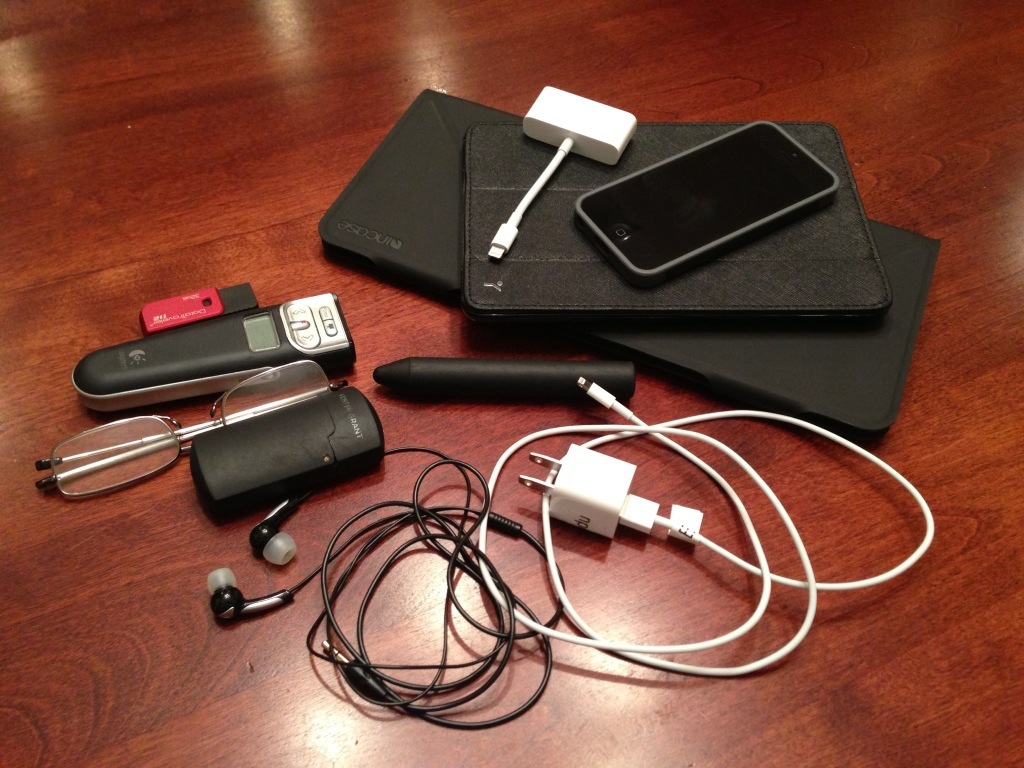
Above is the gear I brought for my presentations and for working in the hotel.

I’m using the iPad mini to run my slides with the Keynote app. I’ve got a VGA adapter to connect the iPad to the projector. I’ll use the Keynote Remote app on the iPhone to control the slideshow. (I’ve had some moments, though, when the Keynote Remote app let me down briefly. The bluetooth can disconnect randomly, but it usually comes right back. But I don’t completely trust it now.)

The flash drive is just a backup in case there are any difficulties getting the iPad connected. I could then load the document onto a local Mac or PC. Both presentations also are saved in iCloud and Dropbox. If I have to use a local PC, I’ve got a standard USB remote. I am so ready for technical difficulties. And if nothing works, I’ve got no problem going unplugged and presenting without slides. I experimented with some slideless talks this year, but I really like the oomph that images give when they support and don’t detract from the message. Images seem especially important with a larger audience, and my first presentation at the conference could have up to 300 people in the theater.

I’m continuing to love my Incase Origami Workstation Case for my Apple bluetooth keyboard. That’s what I’ve been writing almost all my posts on lately. It works with any iPad.

This is a great, minimal setup. I appreciate tools that fit their purpose and perform well. Here’s hoping I perform well regardless of the tools.